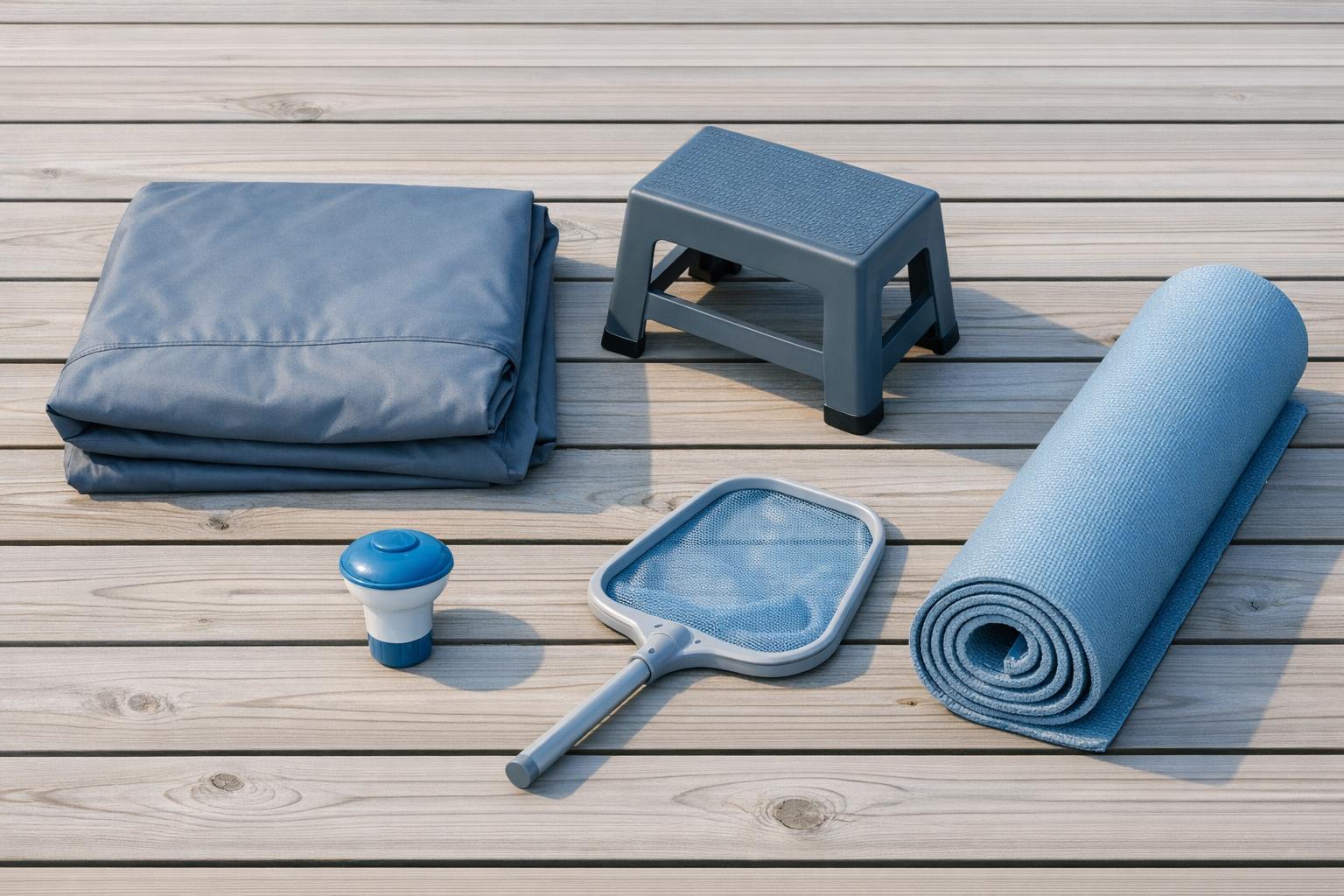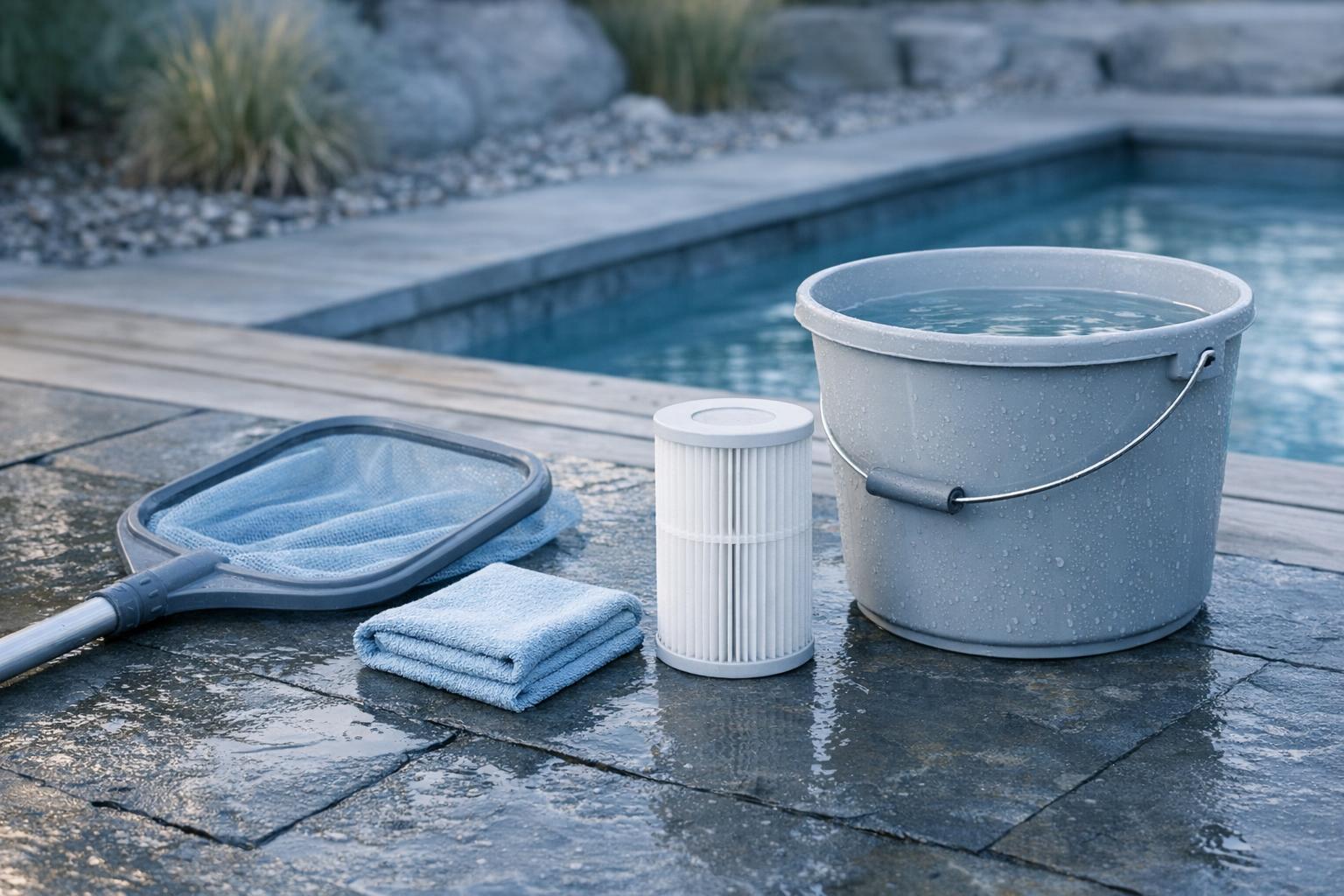
A workable cold plunge maintenance routine starts with the exact vessel, chiller, and treatment instructions. There is no single calendar or chemical recipe that can be transferred safely between every tub. Identify the system, collect its manuals, and turn the required tasks into a log you can follow. This guide covers equipment care and organization, not a guarantee about water suitability based on appearance alone.
Identify the instructions that actually apply
Record the model of the tub, chiller, pump, filter, and any additional treatment equipment. Confirm whether the care guide applies to residential or commercial operation and whether it covers the installed configuration. Plunge's Evolve Standard care page names the combinations it covers and says its recommendations are for residential use. It also states that outdoor conditions and visible changes may require more frequent servicing. [4]
Keep the equipment schedule separate from the treatment-product label. One may tell you when to inspect or replace a component while the other governs product use and storage. Do not borrow a dose from another owner's tub or assume that a larger vessel simply needs an intuitively larger amount. If the instructions conflict or leave an important question unanswered, stop and contact the relevant manufacturer before adding anything.
Prepare the fill instead of correcting it blindly later
Review the manufacturer's instructions for the water supply and any required filling filter. The Evolve Standard guide discusses hard water and well water and identifies an ion-exchange filter for its specified circumstances. This is a model-specific direction, not evidence that any hose filter solves every water issue. Ask the manufacturer how its instructions apply to your actual supply if you are unsure. [1]
Inspect the empty tub and accessible connections before filling. Follow the permitted cleaning method and remove shipping debris without using an unapproved abrasive or chemical. Check that the drain and any unused ports are configured for the chosen setup. Save the model's working fill instruction with the maintenance log so that refilling does not become guesswork. Record the refill date and any relevant supply information for future troubleshooting.

Separate debris removal from water treatment
A skimmer, drain screen, and filter have practical roles, but they are not interchangeable with the complete maintenance protocol. Plunge's Evolve Standard care page separately lists clearing debris, cleaning drain screens, wiping the waterline, and testing and maintaining water chemistry. Its structure is useful: several different tasks contribute to looking after the system, and finishing one does not establish that the others can be skipped. [4]
Remove visible debris using the equipment and methods allowed by the manual. Inspect areas where leaves or fibers can collect without dismantling components that are not user-serviceable. Keep a note of unusual changes instead of assuming clear-looking water proves that all requirements are met. If the condition is outside the manufacturer's guidance, pause operation and obtain advice. Do not improvise a treatment mixture in response to an unfamiliar smell or deposit.
Make filter care accessible and traceable
Identify the correct replacement filter by part number and keep the procedure beside the supplies. Follow the specified shutdown, isolation, opening, and restart steps. Do not open a housing while equipment is operating unless the exact instructions explicitly require it. Plan where a wet component will be placed during servicing so that electrical connections and household storage are not used as a makeshift workbench.
Plunge's care guide warns that failing to clean the hair catch or replace the filter as required may reduce flow and damage the Evolve Standard system. That warning supports taking the schedule seriously; it does not establish the correct interval for a different brand. Record completed tasks and observed condition rather than merely ticking a reminder. The chiller guide explains why water flow and service access belong in the installation plan. [4]
Plan the water change from drain to restart
Identify the approved discharge destination before opening a valve. Check local wastewater requirements and treatment labels rather than assuming that a garden or street drain is acceptable. Lay out the hose without blocking an essential route and follow the system's draining sequence. Never rely on moving a full vessel to reach a hidden outlet. If pumping or building plumbing is necessary, obtain suitable professional advice.
Routine draining and winterization can involve different service points. The Plunge All-In manual distinguishes its main tub drain from the drain used for jets and filter housing during storage or winterization. An empty-looking basin therefore does not prove that the whole system is empty. Follow the full model-specific procedure, including cleaning and restart checks, and log the work so the next service begins with a reliable record. [2]
Keep supplies and records deliberately simple
Buy only documented compatible supplies, label replacement parts clearly, and store treatment products according to their own instructions. Do not decant chemicals into food containers or combine products because both are sold for water care. Keep purchase dates and product names available when contacting support. Our accessory checklist distinguishes useful maintenance supplies from optional upgrades that may complicate the system.
For surface care, consult the materials checklist rather than assuming one cleaner suits every liner, finish, seal, and fitting. Review the maintenance plan when the location, equipment, or operating pattern changes. The goal is not to claim a universal water-change interval; it is to maintain a documented routine for the actual installation and recognize when the manufacturer needs to answer a question.
Sources and further reading
- Manual and Setup Guide for the Plunge Evolve Standard Chiller
Do not use an extension cord with your Evolve Standard Chiller.
- Manual and Setup Guide for the Residential Plunge All-In
Place the Plunge on a solid, level, waterproof surface.
- Caring For Your Plunge Evolve Tub and Standard Chiller
These recommendations are for residential use only.