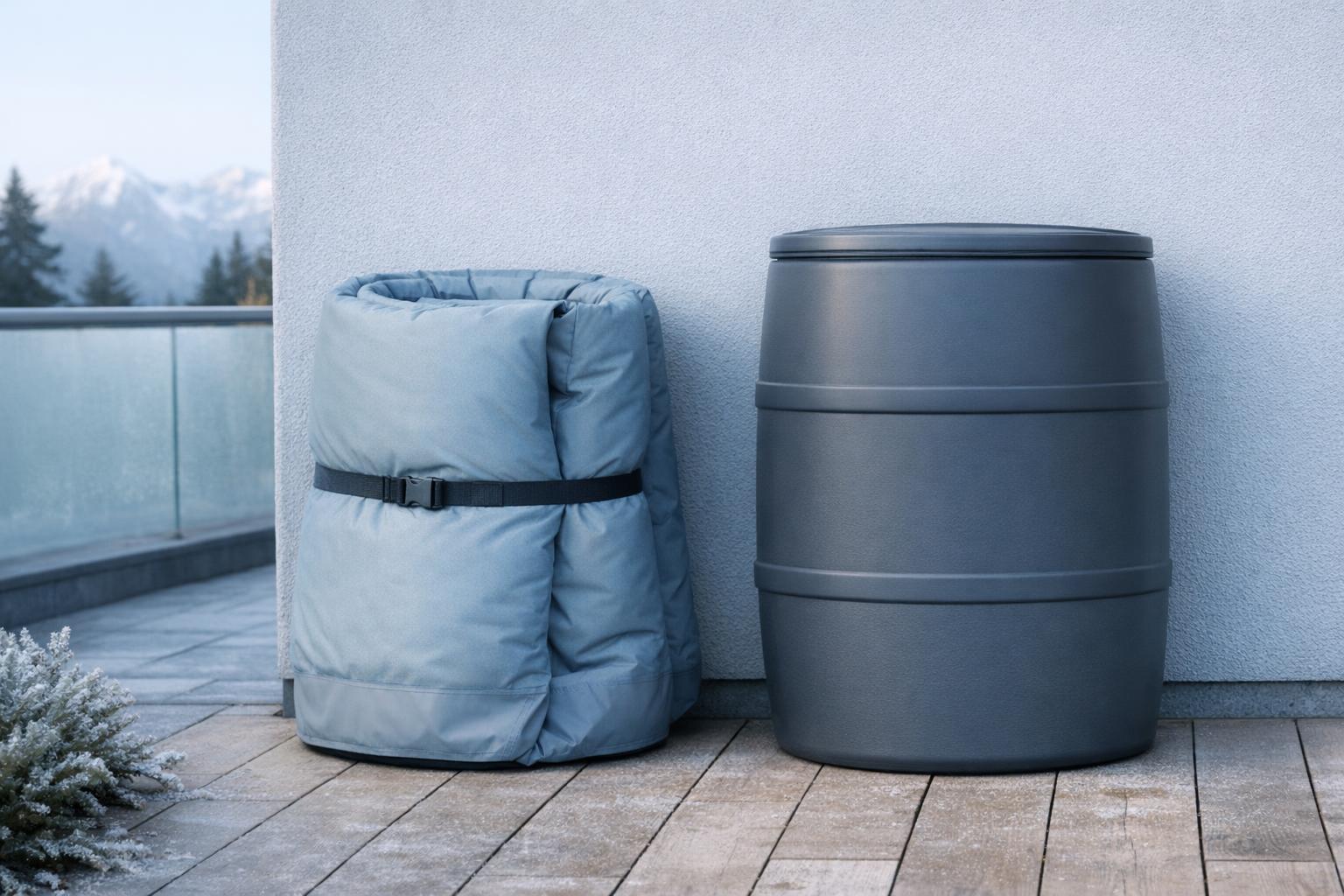
Portable and rigid cold plunge tubs solve different space and handling problems. Portability describes the empty vessel and its packing arrangement; it does not mean a filled tub can be moved conveniently. Compare how each design arrives, assembles, drains, dries, and stores. Then assess the complete installation, including any chiller. A compact bag is only one part of the ownership story.
Define what portable means for your use
Decide whether you need a tub that moves between homes, packs away seasonally, or simply reaches a location through a narrow doorway. Those are different requirements. A vessel that fits in a small package may still take preparation and drying before storage. If your main concern is getting equipment through a gate once, compare delivery dimensions before accepting the additional assembly steps of a collapsible design.
Do not combine all flexible tubs into one category. Plunge's Air instructions describe inflating the tub and cover, while its Pop-Up guide describes support poles and an inflatable top ring. These are distinct assemblies with different checks. The manuals demonstrate why a generic instruction to inflate the tub is inadequate. Read the actual assembly sequence and confirm that the necessary pump, structural parts, and plugs are included. [5] [6]

Compare setup and pack-down work
List every step that happens each time the portable tub is set up. Include clearing the surface, positioning the protective layer, assembling supports or inflating components, sealing unused ports, and checking the drain. Plunge's Air guide calls for removing debris and placing a protective ground cover; the Pop-Up guide also specifies a waterproof location cleared of debris. These preparations still matter when the tub is intended for temporary use. [5] [6]
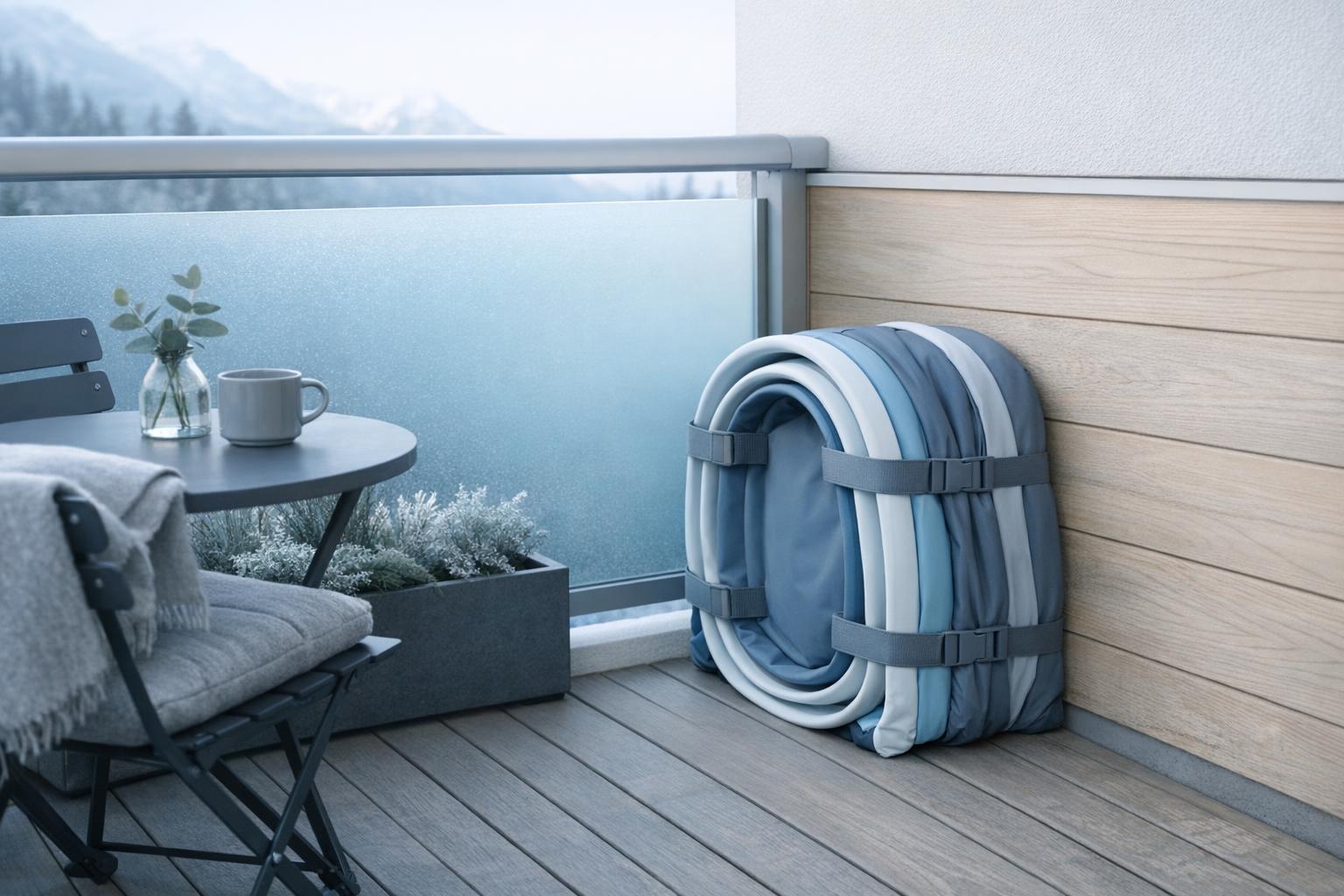
Next ask how the manufacturer says to empty, clean, dry, fold, and store that exact model. Do not assume a flexible shell can be packed wet or folded along any convenient crease. Keep small caps, seals, poles, and pump adapters together and labeled. A rigid vessel may occupy more storage space but avoid some repeated assembly tasks. Compare those routines against how often you genuinely expect to move the equipment.
Measure usable space rather than the bag
Check internal dimensions, opening size, depth, and any seat or sloped wall. Thick inflatable walls can occupy part of the external footprint, while rigid tubs may have wide rims or equipment housings that also reduce usable space. Neither category wins automatically. Ask for a dimensioned drawing and separate internal measurements from outside dimensions and shipping measurements. Our sizing worksheet provides a consistent comparison.
Allow space to approach and exit the vessel without relying on unsupported furniture or the tub wall as a substitute for an approved support. Check what steps or handles the manufacturer permits and where they would fit. A tall portable vessel can present a different access problem from a lower rigid one even when both fit the same patch of floor. Accessibility is a layout decision, not something proved by a capacity label.
Check the chiller connection independently
A portable tub may be sold without powered equipment, with capped connection ports, or as part of a matched kit. Verify the exact variation. Do not assume every flexible vessel can accept an external chiller, and do not treat matching-looking fittings as a compatibility certificate. Ask for the supported equipment list and the required hoses, seals, valves, and routing instructions before buying the components separately.
Plunge's Air and Pop-Up setup pages direct chiller buyers to the relevant chiller instructions instead of treating the tub-only sequence as sufficient. That distinction matters for placement, filling, and connection planning. If you add a chiller, the overall system may no longer pack or move as conveniently as the vessel alone. Include the chiller's own transport, storage, and drain requirements in the portability comparison. [5] [6]
Assess care and repair documentation
For a flexible tub, ask about the manufacturer's permitted cleaners, inspection routine, valve parts, repair policy, and storage conditions. For a rigid tub, ask the same questions about its surface finish, fittings, and access panels. Avoid broad claims that one material is indestructible or maintenance-free. Construction quality, supported repairs, and replacement-part availability are model-specific and cannot be established by the category name.
Use our materials guide to inspect the parts that actually contact water and the parts that carry connections. Keep cleaning compatibility separate from appearance: a smooth finish does not tell you which chemical or abrasive tool it tolerates. Before ordering, identify who supplies a replacement cap or seal and whether damage to a major component requires replacing the entire vessel.
Choose the ownership pattern you will maintain
A portable design makes sense when packing and access constraints are real and you are prepared to follow its assembly and storage routine. A rigid vessel may suit a permanent, properly prepared location where storage volume is less important. Neither removes the need for suitable support beneath the water load, controlled drainage, or an accessible maintenance layout. Evaluate those requirements for the filled installation, not just the empty tub.
Make a final comparison table containing packaged dimensions, installed dimensions, included components, assembly steps, cleaning instructions, repair support, and any supported chiller option. Reject guesses masquerading as specifications. Return to the main buying checklist once both categories have been assessed on that basis. The better choice is the one that fits your actual handling and storage pattern, not the one with the most dramatic folding demonstration.
Sources and further reading
- Manual and Setup Guide for the Plunge Air Tub
Clear the area where you intend to place the Plunge of debris.
- Manual and Setup Guide for the Plunge Pop-Up Tub
The tub is 34 inches in diameter at the top ring.