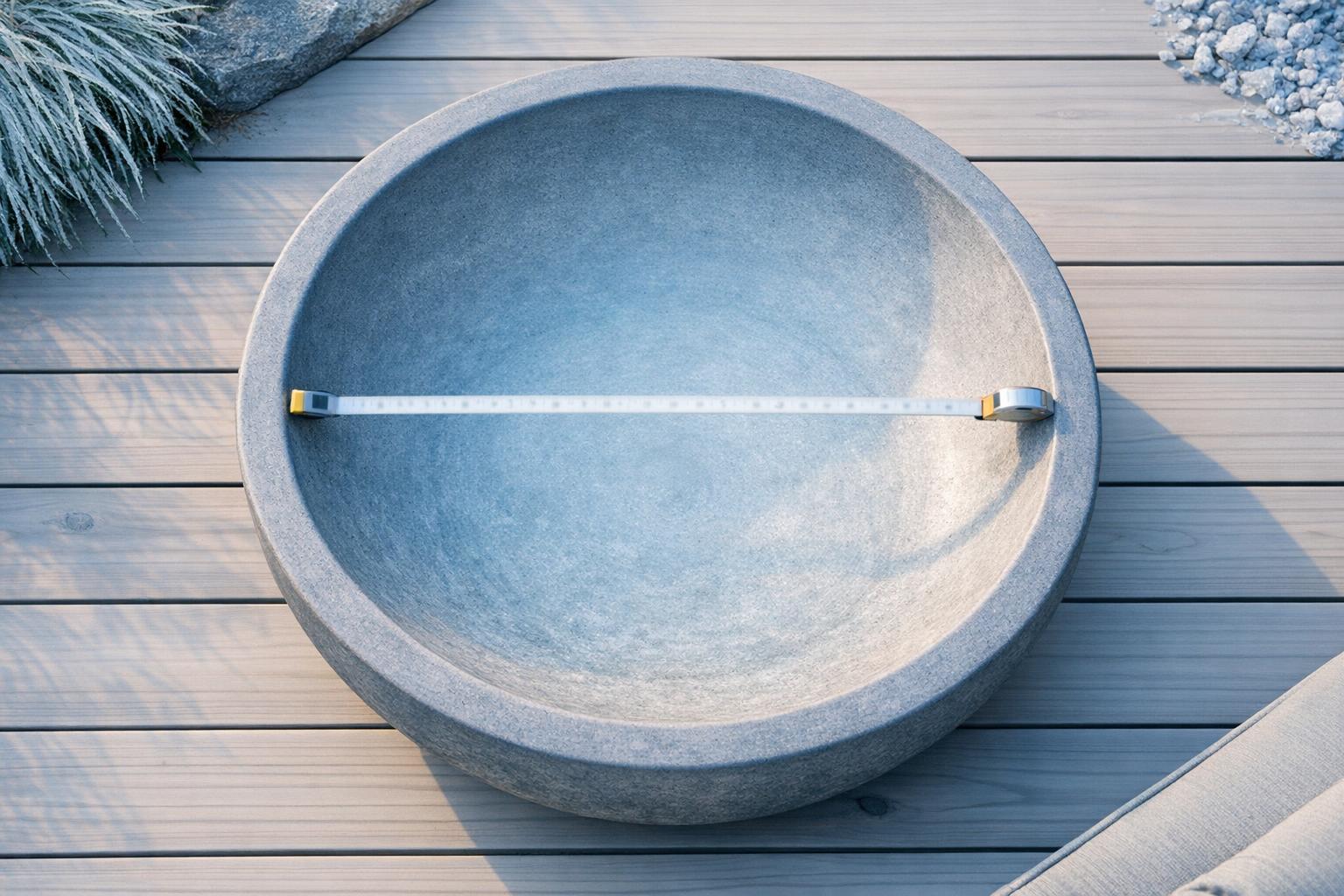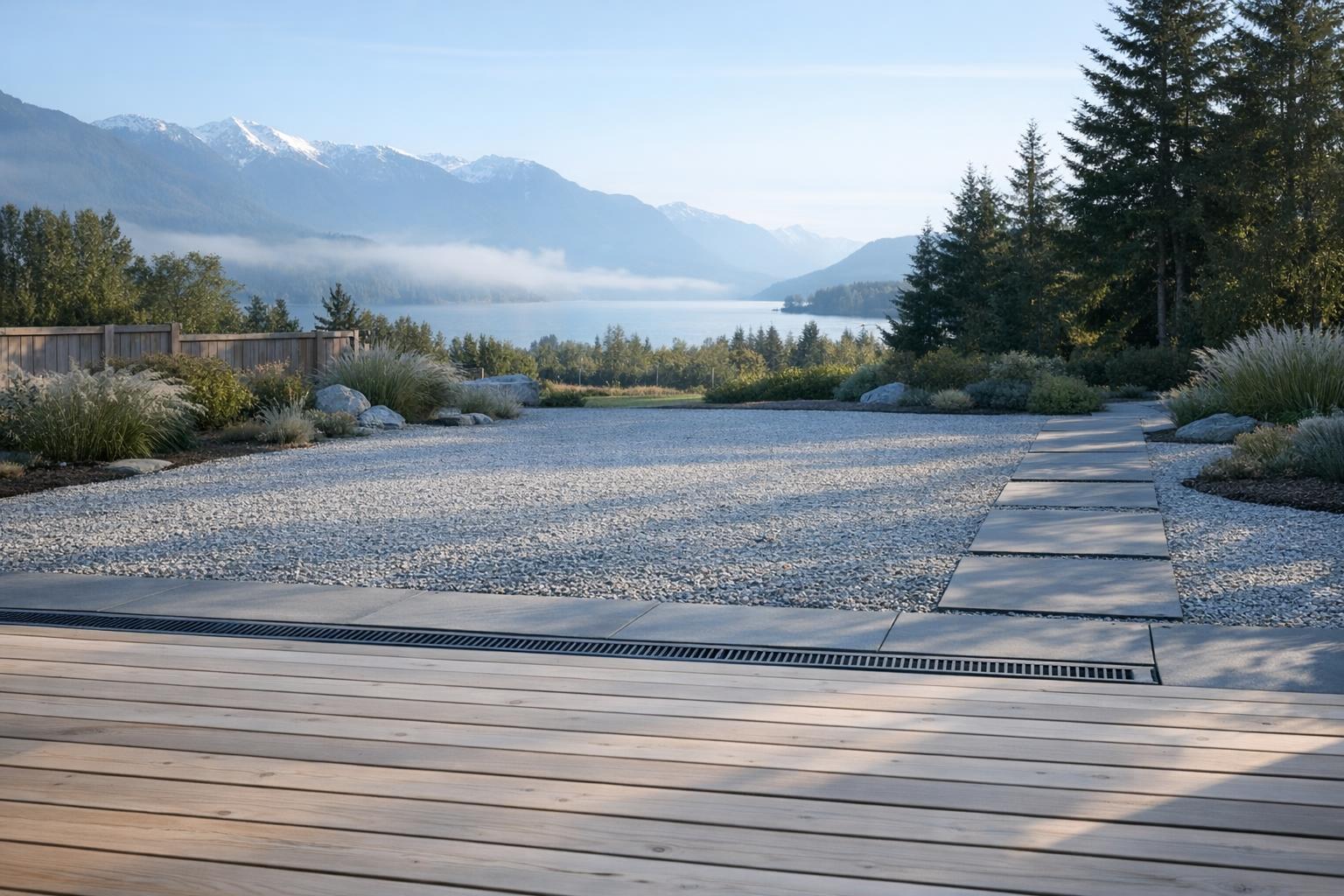
The best location for a cold plunge tub is one that satisfies the equipment manual and remains workable when the tub is full, the lid is open, and maintenance is due. An attractive empty corner is not enough. Assess the support surface, water route, electrical requirements, and service access as separate checks. A site that fails one of them needs changes before delivery, not a workaround after filling.
Check the support surface first
Find the manufacturer's empty weight, working water capacity, and any stated support requirements. The installation must account for the vessel, water, equipment, and occupants. Do not use the empty shipping weight as the basis for deciding whether a floor or deck is adequate. Where the structure is elevated, uncertain, or outside the manufacturer's documented assumptions, obtain an assessment from a qualified structural professional.
Plunge's All-In manual calls for a solid, level, waterproof surface. The Evolve Standard guide similarly describes a solid, flat, waterproof location for the tub and chiller. These instructions do not certify your particular slab, deck, balcony, or indoor floor. A protective mat does not repair inadequate structural support or turn a water-sensitive floor into a waterproof installation. Resolve those underlying questions before choosing the final orientation. [1] [2]
Draw the operating footprint
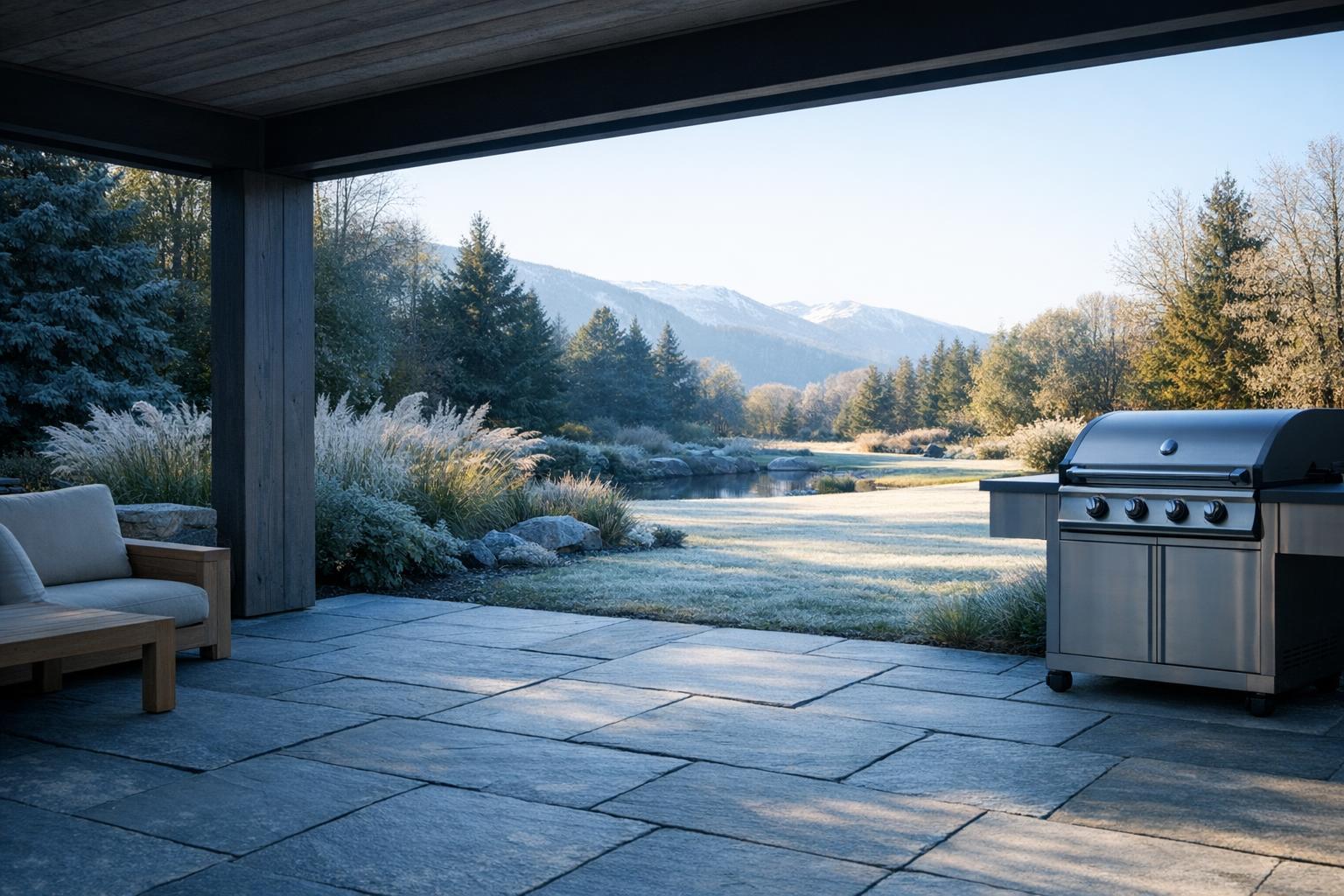
Mark the tub's external outline, then draw a second outline for the surrounding space it actually needs. Include the lid when open or removed, entry accessories, the person using the drain, and the route for carrying replacement filters and supplies. A tight passage that is technically wide enough to squeeze through may still make routine cleaning awkward. Check doors, gates, and storage cupboards in their open positions.
For a separate chiller, draw its ventilation and service clearances exactly as the manufacturer specifies. The Evolve Pro manual discusses fan clearance and hot-air exhaust, while the All-In guide assigns different clearances to different sides. Do not replace those drawings with a generic distance around the tub. See chiller installation basics for the equipment checks that belong alongside the vessel measurements. [2] [3]
Walk the delivery route
Measure the path from unloading point to final location before ordering a rigid tub. Include gates, turns, steps, doorframes, and any low obstruction. Ask the seller for packaged dimensions and delivery terms, not just the dimensions of the assembled vessel. A curbside delivery can leave a substantial moving problem between the truck and your chosen spot. Arrange appropriate help rather than improvising on arrival.
Portable vessels may reduce the size of the empty package, but their assembled footprints and water loads still need planning. If you expect to move the tub seasonally, inspect the route in both directions and identify where it will be drained and dried. Our tub sizing guide distinguishes delivery dimensions, usable interior space, and installed dimensions so that none is mistaken for another.
Establish a controlled drainage route
Locate the main drain and confirm that the valve and hose connection stay accessible. Trace the hose to an approved discharge point without crossing an essential walkway or passing through a door that must remain closed. Consider the route's elevation and whether gravity drainage is actually feasible; obtain plumbing advice if equipment or building alterations are required. Do not plan to solve this by tilting or moving a filled tub.
Ask the relevant local authority or property manager where treated water may be discharged. Product instructions, treatment labels, and local rules all matter. A nearby storm drain is not automatic permission to empty a tub there. Also distinguish routine emptying from winterization: the Plunge All-In manual identifies separate drains serving different parts of its system. Preserve access to every required service point, not merely the most obvious outlet. [2]
Resolve electrical and indoor-water issues
For powered systems, have a qualified electrician review the exact manual, the proposed outlet position, and applicable requirements. The Evolve Standard and Pro guides reject extension cords and specify dedicated circuits. Do not choose a location on the assumption that a household extension lead will bridge an inconvenient gap. Keep the installation plan consistent with the manual's required separation between water and electrical equipment. [1] [3]
Indoors, evaluate how splashes, a leak, or condensation would be handled by the room rather than only by a small mat. Consider nearby wall finishes, cabinetry, thresholds, and the route to any permitted drainage point. Confirm that the selected model is permitted indoors; the Standard guide explicitly limits its version with an added heater to outdoor placement. A garage is not automatically a suitable environment for every equipment variation. [1]
Test the location against an ordinary service day
Imagine opening the filter housing, lifting the lid, inspecting a connection, and emptying the tub without relocating furniture. Identify where the removed cover will rest and whether a hose can be laid out without blocking household access. Store cleaning supplies separately in accordance with their labels, with room to retrieve them without reaching over the tub. Small access problems become recurring work after installation.
For an outdoor site, make a separate plan for weather exposure and seasonal shutdown using our outdoor equipment checklist. Photograph the approved arrangement and keep the model manuals with the site measurements. Recheck the layout after adding screens, planters, or storage nearby. A location remains suitable only while the original support, clearance, electrical, and drainage conditions remain in place.
Sources and further reading
- Manual and Setup Guide for the Plunge Evolve Standard Chiller
Do not use an extension cord with your Evolve Standard Chiller.
- Manual and Setup Guide for the Residential Plunge All-In
Place the Plunge on a solid, level, waterproof surface.
- Manual and Setup Guide for the Plunge Evolve Pro Chiller
The chiller needs space to exhaust hot air.