Outdoor installation requires more than finding a level patch beside the house. The vessel, chiller, hoses, electrical supply, and drain route each have environmental requirements. Plan for ordinary weather, freezing conditions, and interruptions before filling the system. This guide addresses protecting and maintaining equipment; it does not recommend cold-weather bathing practices, water temperatures, or session lengths.
Confirm outdoor suitability for every component
Check the exact model and variation, including any optional heater or external pump. Ask the manufacturer which components may be outdoors, under what conditions, and what protection is required. Do not infer an equipment rating from a lifestyle photograph taken on a patio. A tub's outdoor suitability does not automatically establish the permitted exposure of its chiller, electrical connections, or accessories.
Plunge's Evolve Standard manual illustrates why variations matter: it gives an outdoor-only restriction for the unit with an added heater. Other instructions govern the chiller's positioning and electrical supply. Read the complete installation section rather than selecting the single sentence that seems to approve your preferred location. Our site checklist helps combine these requirements into one workable plan. [1]
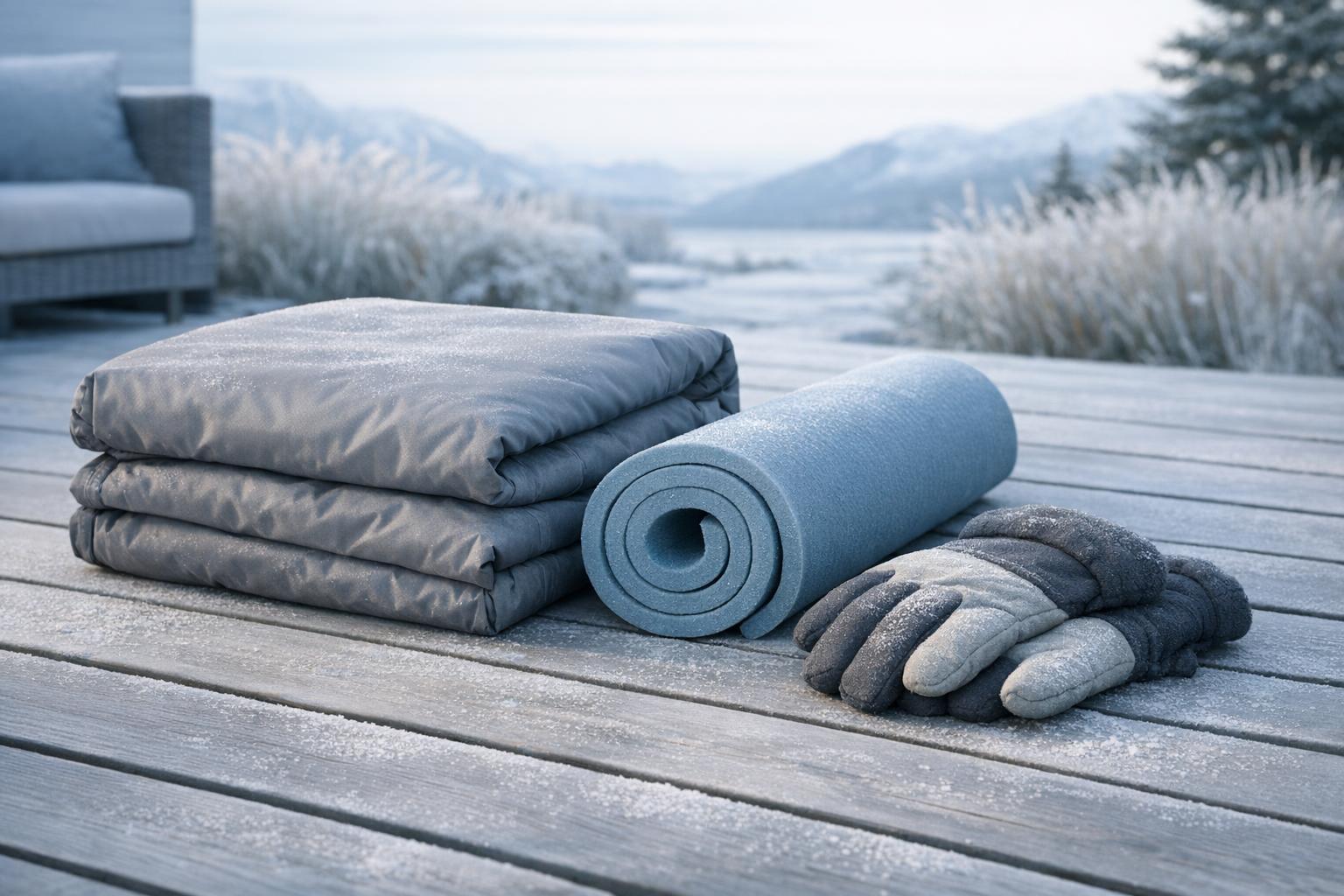
Keep the support and drainage plan weather-aware
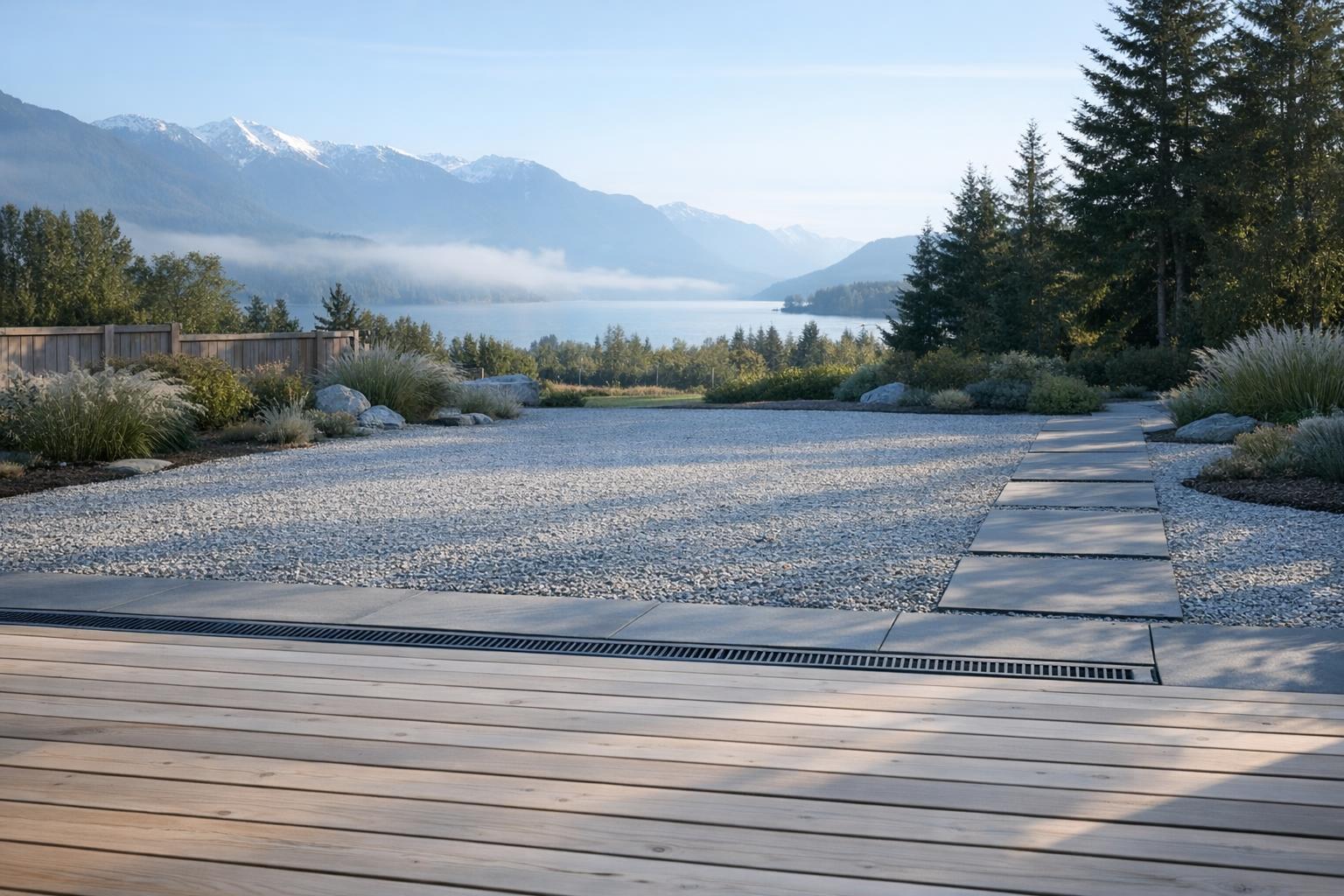
Use the surface specified by the manufacturer and have structural uncertainty assessed professionally. For the systems discussed in Plunge's Standard and All-In guides, the instructions call for solid, flat or level, waterproof support. A temporary mat does not make unstable ground suitable or demonstrate that a raised structure can carry the installation. Consider how the site changes after rain and where water can collect around equipment. [1] [2]
Establish an approved discharge route before routine draining becomes necessary. The route should remain accessible when outdoor furniture is stored or garden hoses are put away. Ask the relevant local authority about discharge requirements for treated water. Do not assume an outdoor location grants permission to empty into a storm drain or neighboring area. If the route needs a pump or plumbing changes, arrange appropriate advice before the first fill.

Preserve ventilation when adding protection
Wind screens, covers, and shelters can change the airflow around a chiller. Check the required clearances before adding them, and ask the equipment maker to approve any enclosure concept. The Evolve Pro guide explicitly describes space for hot-air exhaust, while the Standard guide reserves ventilation and filter-service access. Protection that blocks those spaces can create a different equipment problem instead of solving weather exposure. [1] [3]
Do not drape a generic cover over operating equipment or assume a storage cover is approved for use while the machine runs. Verify the purpose of each accessory and the manufacturer's instructions. Keep leaves, stored tools, and furniture out of the clearance area. Photograph the final arrangement so that later changes can be compared against the documented installation rather than remembered vaguely.
Read the freeze instructions before winter arrives
Find the complete winterization procedure for the tub and every connected component. Identify which drains empty the basin, plumbing, filter housing, and chiller. Plunge's All-In manual distinguishes a main tub drain from a winterization drain serving the jets and filter housing. That distinction makes an important practical point: an empty basin does not prove that internal passages have been drained. [2]
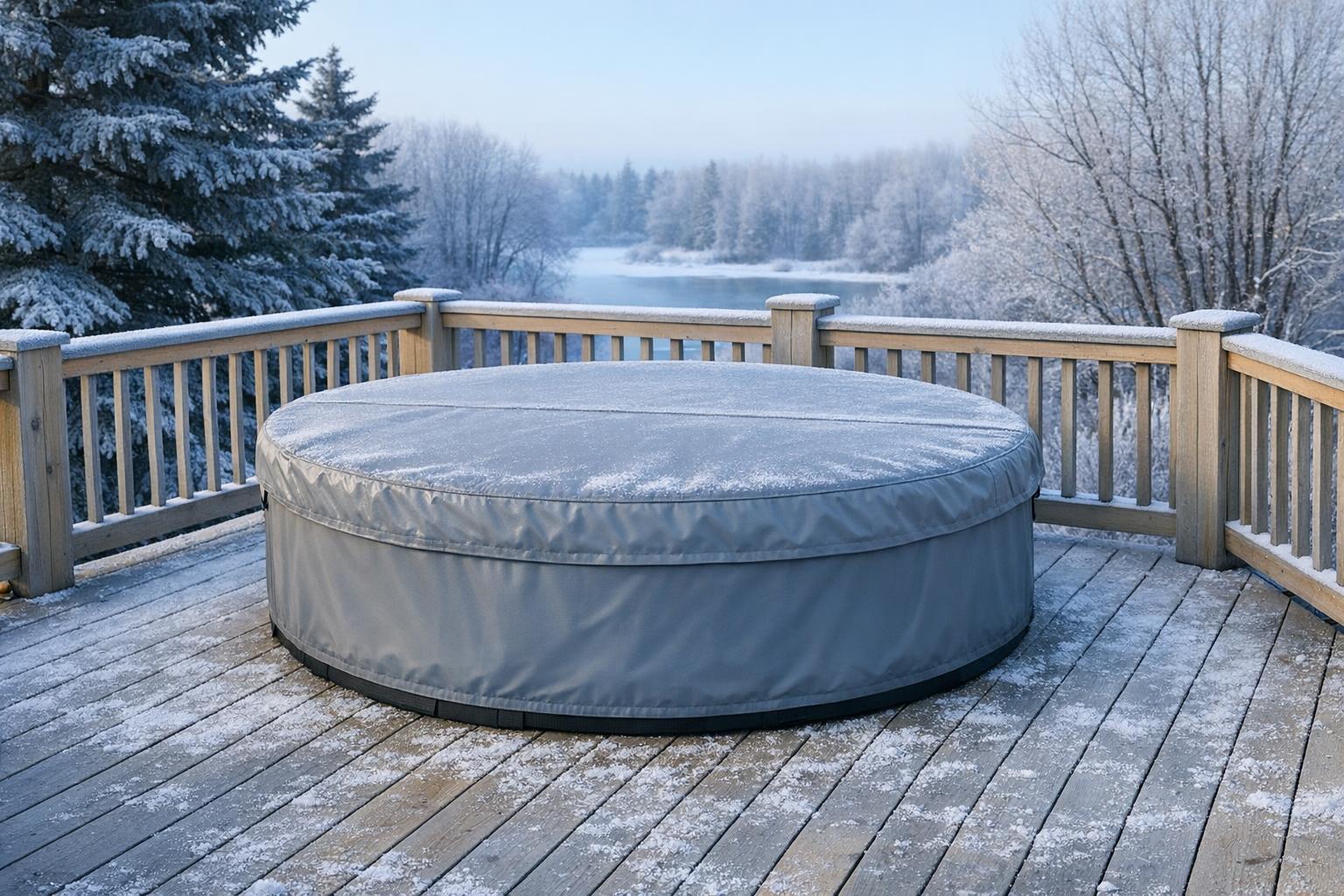
Plunge's Evolve manuals also warn that freezing conditions can damage plumbing and describe circumstances requiring full winterization. Follow the actual trigger and procedure for your equipment; this article does not replace it with a general weather threshold. Do not assume running equipment eliminates every freeze risk, especially if power or water flow stops. Ask support about any part of the procedure that cannot be completed in your installation. [1] [3]
Prepare for absence and interrupted power
Decide who will inspect the equipment if you are away and what they are authorized to do. Leave the model manuals, support contact, drain instructions, and a clear equipment identification sheet. A phone application is not a substitute for somebody being able to reach the system when a physical task is required. Confirm what the manufacturer recommends for extended non-use rather than choosing an unattended operating plan by guesswork.
Have the electrical installation reviewed by a qualified electrician. The Evolve Standard and Pro manuals reject extension-cord use and specify dedicated circuits, so do not depend on a temporary lead when moving equipment for the season. If operation stops unexpectedly, follow the model's fault and shutdown guidance rather than repeatedly resetting equipment or bypassing protective devices. A plan should preserve the manufacturer's protections, not work around them. [1] [3]
Adjust maintenance to the actual outdoor site
Outdoor debris and exposure belong in the maintenance plan. Plunge's Evolve Standard care guide explicitly says outdoor conditions and observed changes can require more frequent servicing than its minimum residential recommendations. Use that as a prompt to inspect and log conditions, not as a universal interval for other products. Check accessible screens, the waterline, and the surrounding service area according to the relevant instructions. [4]
Before seasonal shutdown, confirm storage conditions for removable covers, hoses, portable vessels, and supplies. Use the maintenance planner and accessory checklist to keep those tasks organized. Recommission only by following the equipment's documented filling and startup sequence. A robust outdoor setup is one whose weather limits, shutdown procedure, and service access were settled before the weather made them urgent.
Sources and further reading
- Manual and Setup Guide for the Plunge Evolve Standard Chiller
Do not use an extension cord with your Evolve Standard Chiller.
- Manual and Setup Guide for the Residential Plunge All-In
Place the Plunge on a solid, level, waterproof surface.
- Manual and Setup Guide for the Plunge Evolve Pro Chiller
The chiller needs space to exhaust hot air.
- Caring For Your Plunge Evolve Tub and Standard Chiller
These recommendations are for residential use only.